 One of the most common questions I get when a make a presentation on wood type history at a college or university is “Where do you get your designs for your wood type?”
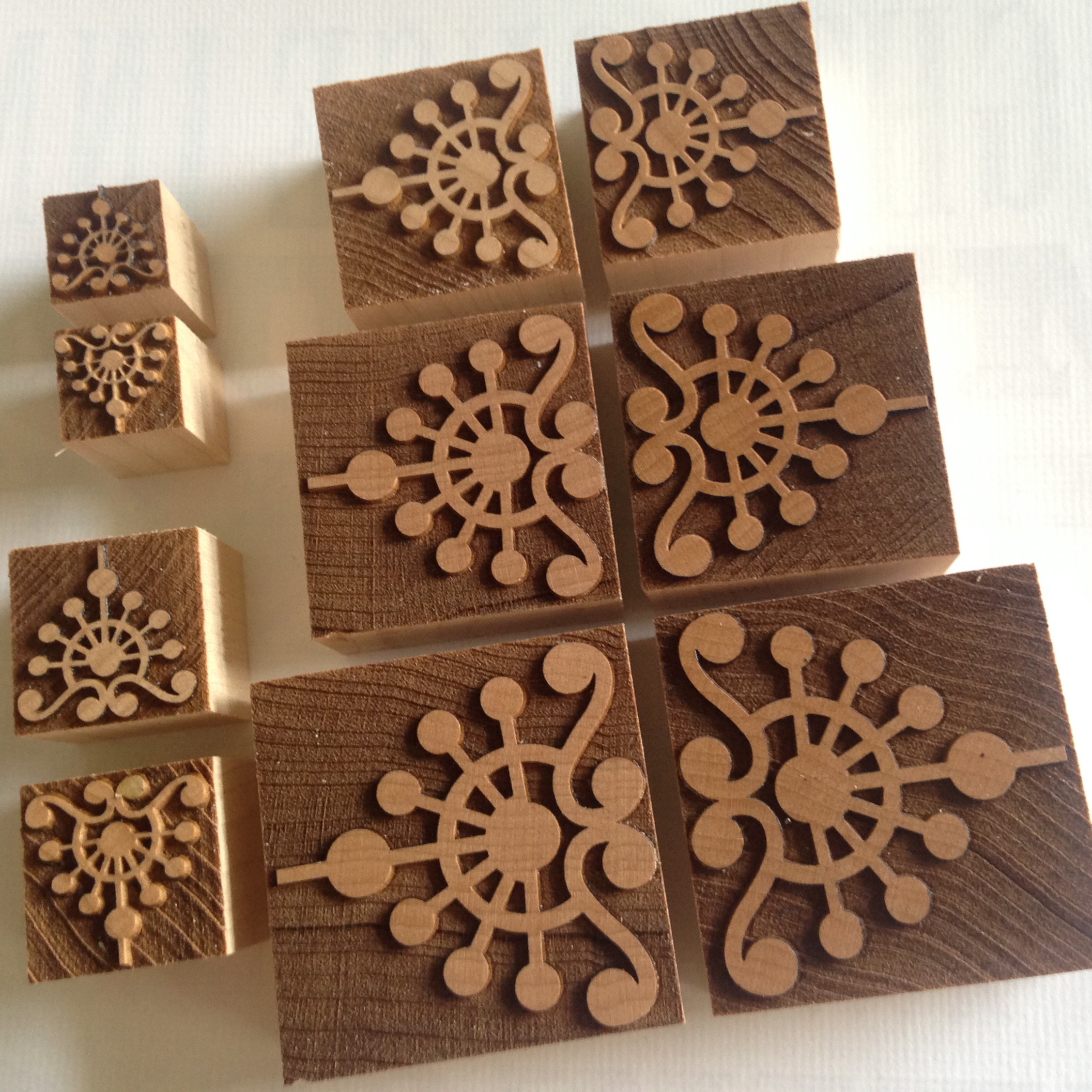
Two of the new items I am getting ready to add to the MWT type stop are perfect examples. They are the MWT Line ornament #32 and MWT Line Ornament #33.
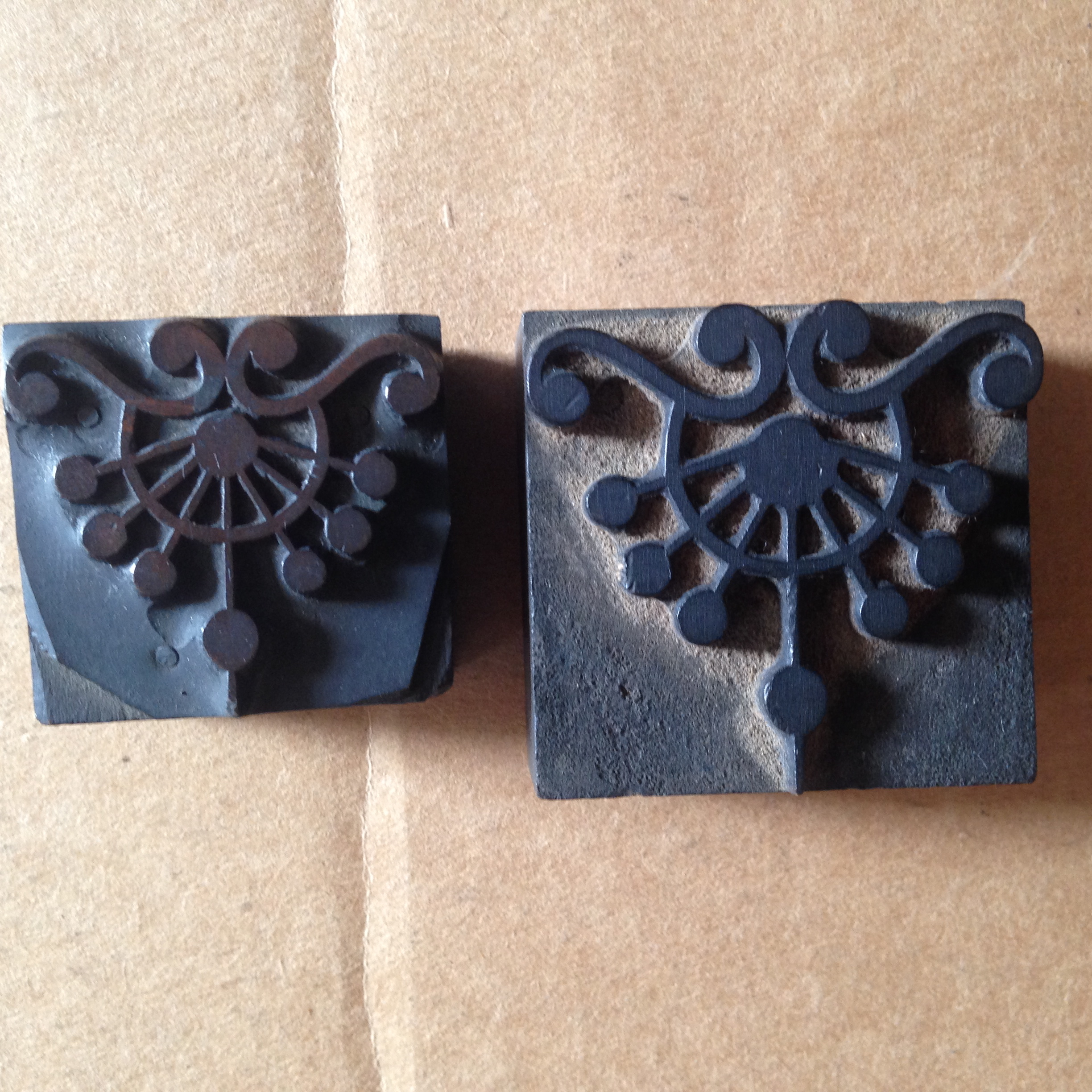
I had first noticed these line ornaments two years ago when going through an old type case at Paul Aken’s Platen Press Museum in Zion, Illinois. I never fail to leave his Museum without pictures of rare, old wood type he has collected. When I got home, I started searching through historic type specimen books. I found both of them from two different wood type producers.
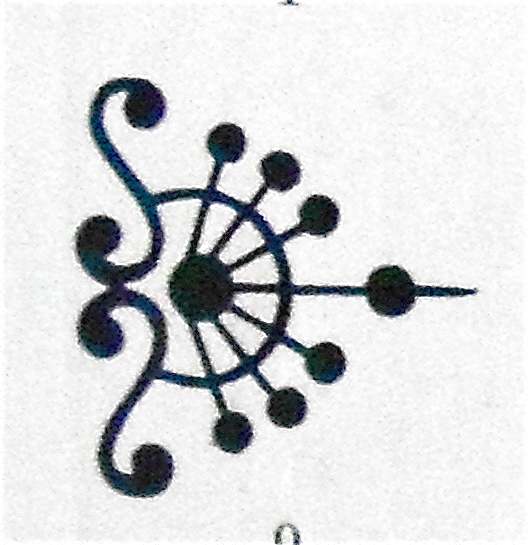 Number 32 uses round elements and spokes in a fan shape design. It was first made by the Tubbs Manufacturing Company and is found in the 1905 specimen book. They called it a #66 Space ornament. It is also found in the Hamilton #14 Type Specimen book as Fancy Ornament #16. Both versions are similar but show some variations.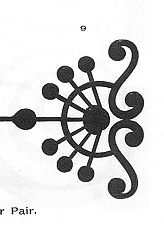
I put all three sources into an Adobe Illustrator file and started correcting the math. All wood type design is math. The resulting vector art file can be used to make large patterns for the pantograph, and the smaller, the same vector file controls the laser I use to cut wood type in end grain hard maple.
This design is very involved, with lots of hand trimming. The round ball were distorted, the spokes of different widths, and one version has a central round dot and the others had a round dot with a shoulder within the spoke area. I am very happy with my final design. This ornament is laser cut at 4, 6, 8, and 10-line size. 12 lines and larger is cut on the pantograph. When laser cutting wood type you also have to distort the stroke on some line values to correct for the .003″ lost to the laser “Kerf”.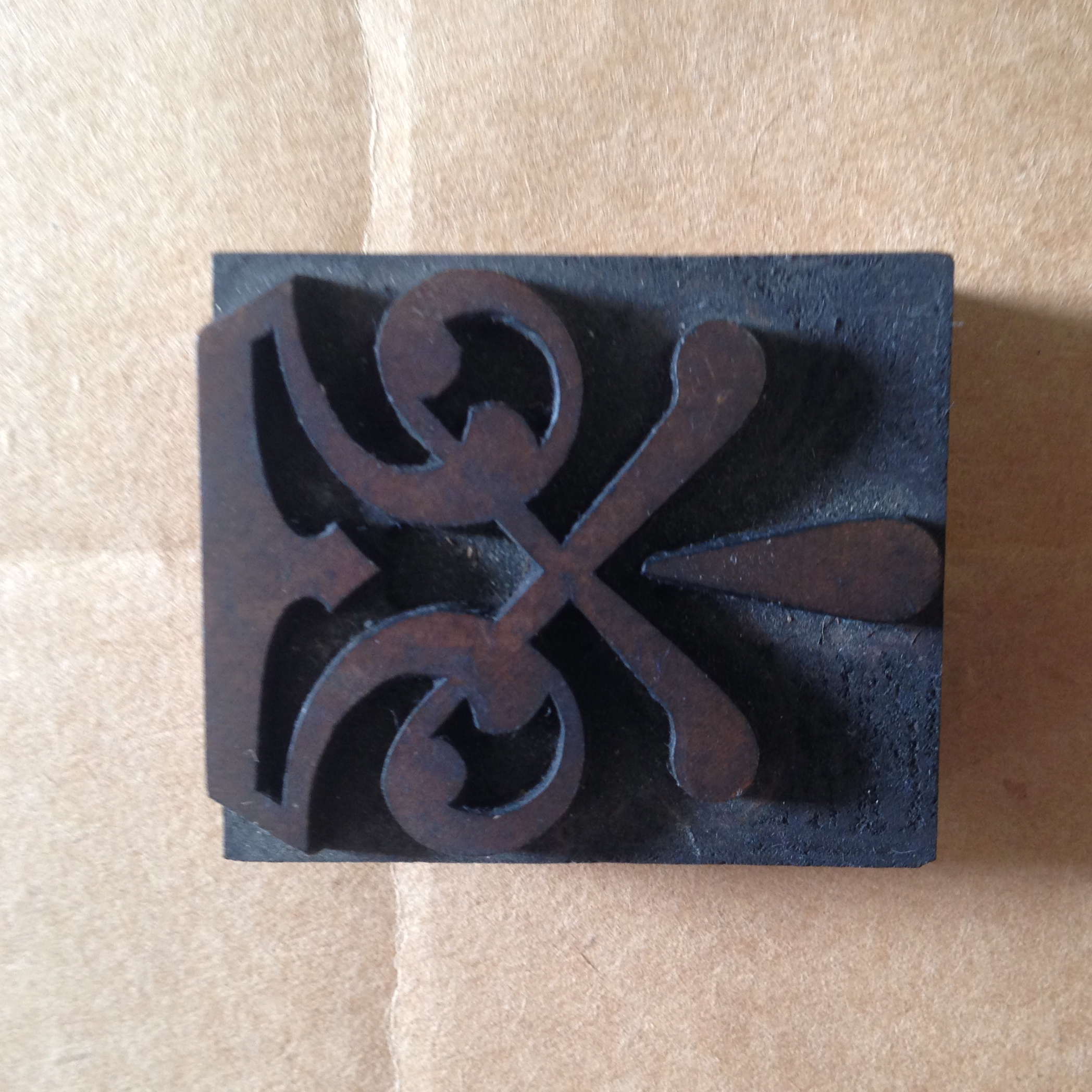
Line ornament #33 is found in the Morgans and Wilcox Specimen book form 1893. It is called Fancy Ornament #13. When Hamilton bought out Morgans, they included it in their specimen books.
I have been selling them at type conferences and given them away to printer friends for over a year. Both of these new items will soon be available in my on-line store and I will follow the tradition of selling them in pairs.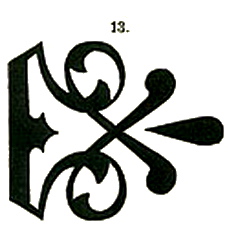
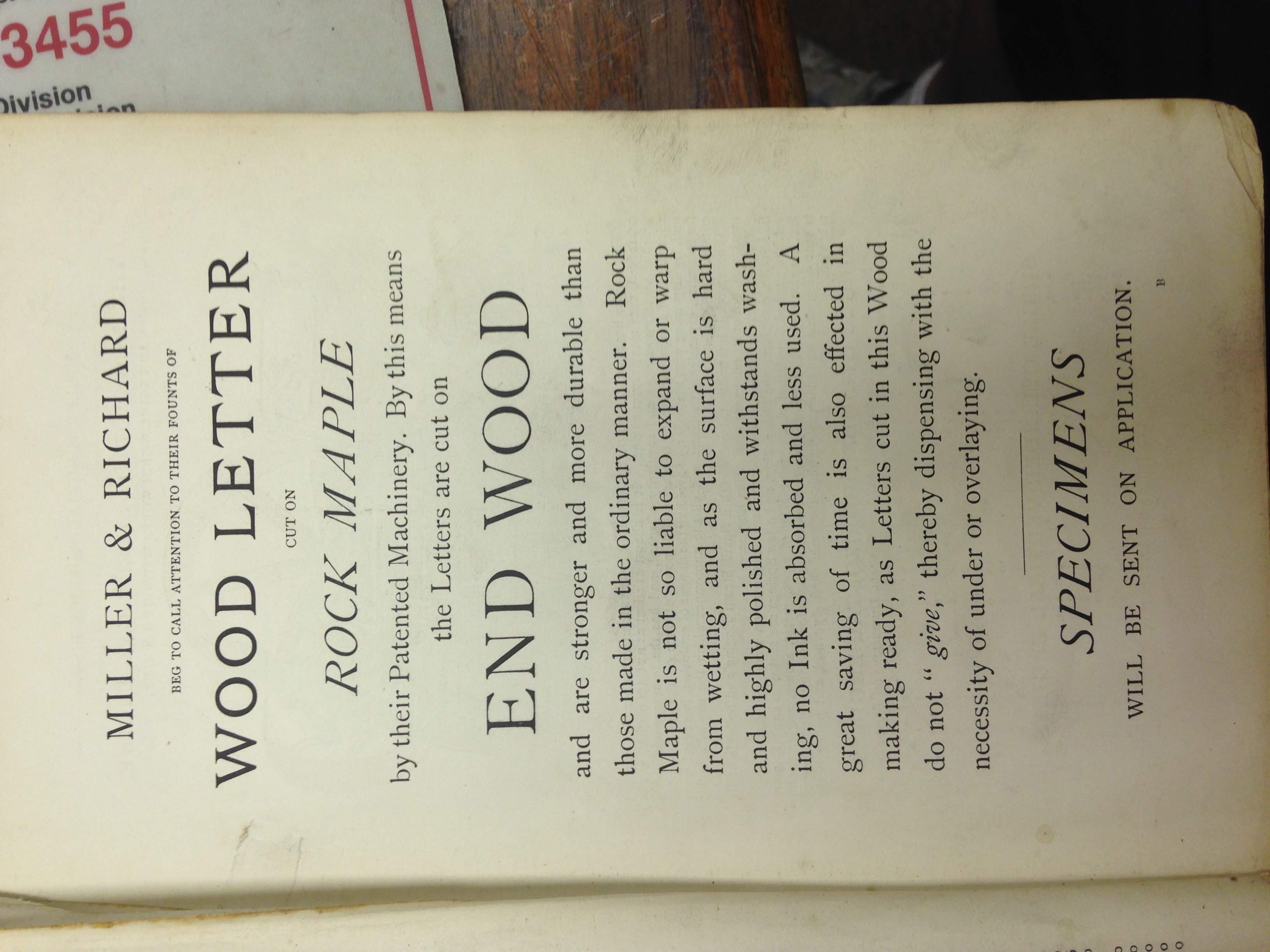 On this 4th of July, I thought I would share this reproduction of an article in the Miller & Richards 1907 Type Specimen Book from Edinburgh, Scotland. It certainly makes American letterpress printers appreciate our “Freedom of the Press”
Printing in Russia
At a time when attention is constantly being directed to the land which bulks so large in the map of Europe, something concerning the conditions attendant on the exercise of the craft of printing amongst its people will be appropriate. An American contemporary states that from the moment a Russian subject petitions the Czar’s Government, through the Minister of the Interior, for a concession to conduct either a printing or publishing business, he is subject to the most galling regulations, restrictions and surveillance that the Muscovite mind is capable of conceiving. A most searching enquiry is made by the secret police in the antecedents of the applicant, and if found that the slightest suspicion was ever entertained as to the loyalty of any member of the family, this fact is held to be sufficient reason for a peremptory refusal of the concession, even though the life record of the applicant may have been beyond reproach from an official standpoint.
The policy of the Russian Government is restrictive in the extreme. Publicity and dissemination of progressive ideas are most strictly tabooed, and as a precaution, the Government exercises complete control over every printing office and type foundry throughout the empire, and neither of these establishments can be opened without first securing very special authorisation, which each year is becoming more and more difficult to obtain.
The Minister of the Interior, next to the Czar the most powerful official in Russia, has absolute sway in the matter of granting petitions, and he may render his decision when he sees fit, and it is no uncommon occurrence for the petition to find a final resting place in an obscure pigeon hole, the applicant having to await this official’s pleasure. An appeal would be worst than useless. Should the printer be so fortunate as to obtain the concession, the
EXCEEDINGLY HEAVY RESPONSIBILITIES
that accompany it and the resistive censorship that fetters his every action, and his helpless dependence upon a number of venal officials devoid of scruples of any kind, are sufficient to crush out much of the enterprise with which he may have originally been endowed.
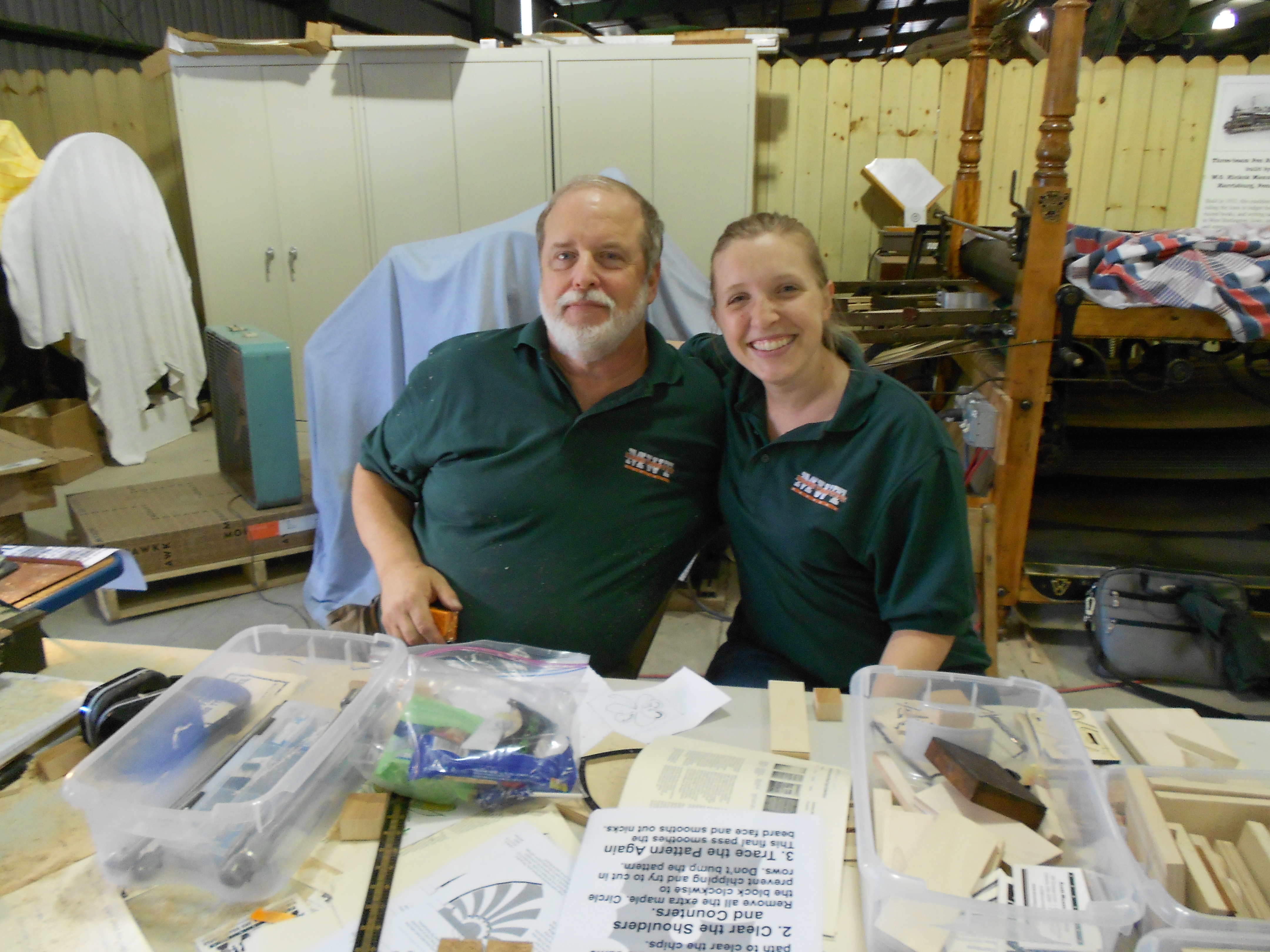 The Amalgamated Printers Association, the professional association of people in the world interested in everything dealing with letterpress printing, will be holding their annual “Wayzgoose” convention the 3rd weekend in June. This year the event is being held at the newly reopened Hamilton Wood Type and Printing Museum in Two Rivers, Wisconsin.
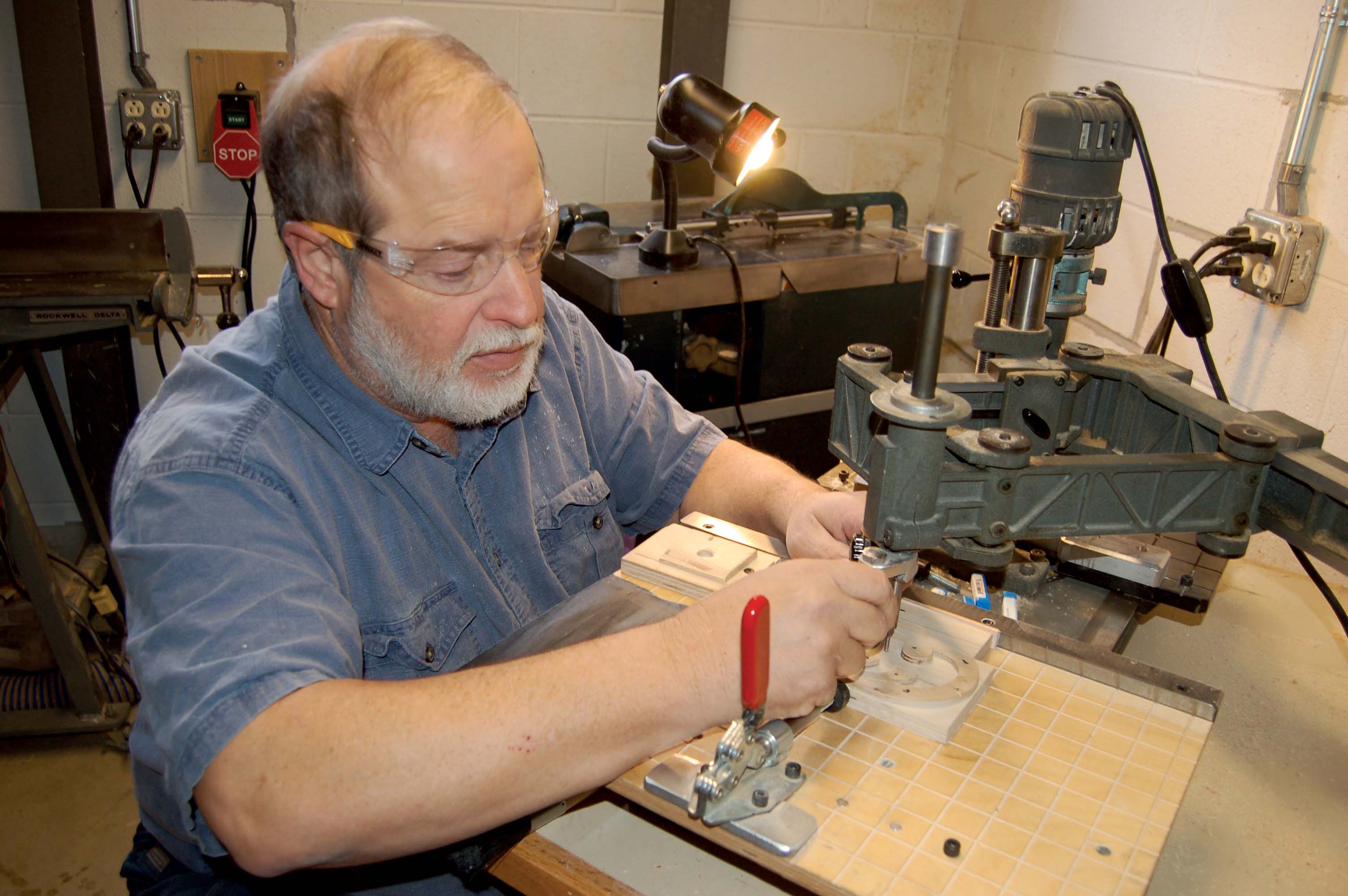
There will be demonstrations on historical machines, lecturers, and workshops. I will presenting two workshops on the art of cutting wood type in modern times and a historical presentation on the history of wood type. I will take along one of my small line pantographs and the participants will spend the rest of the morning cutting their own wood type on a pantograph.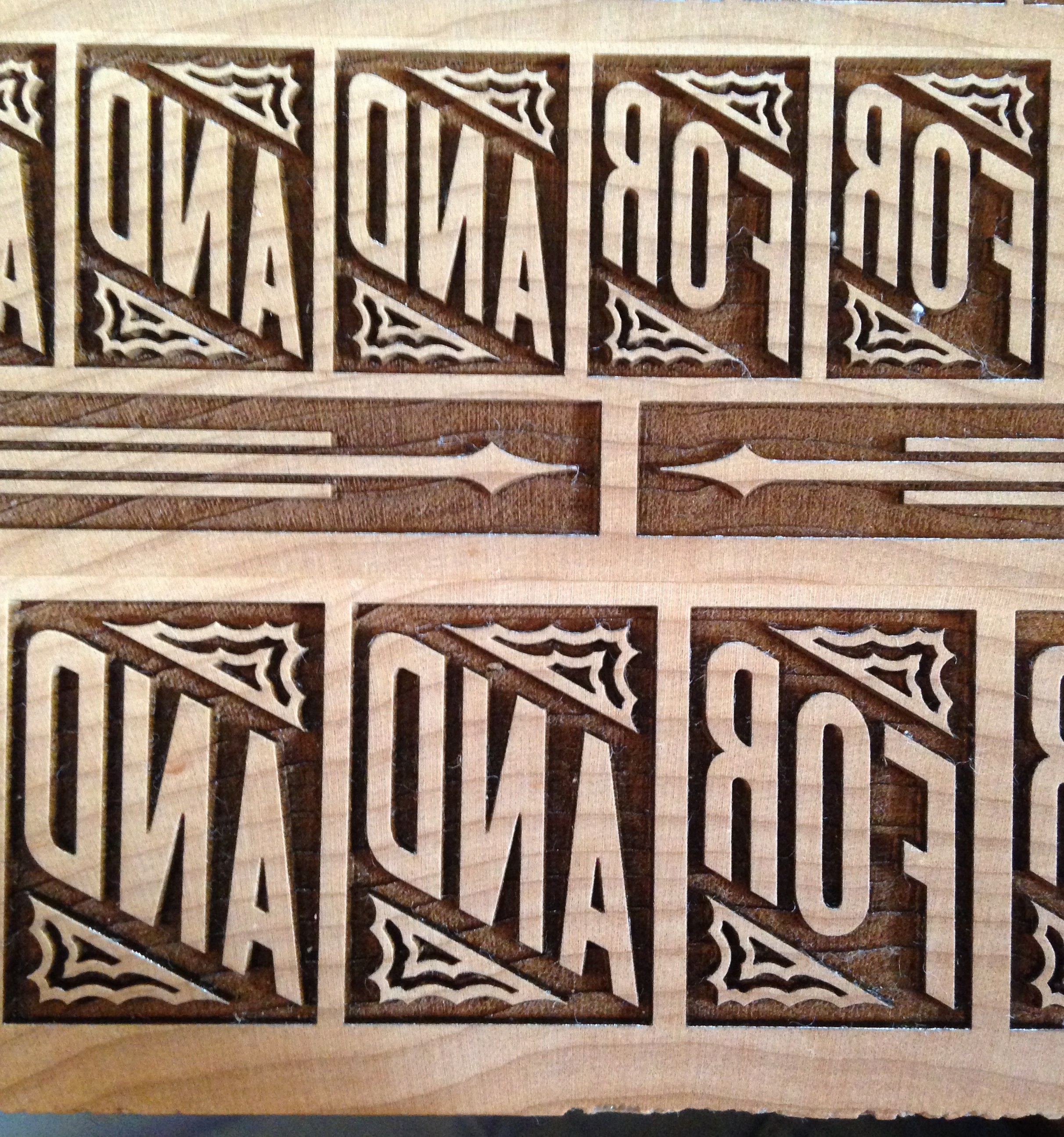
Although the Museum has volunteers cutting wood type on their own working historic pantographs, the public is not allowed to use it. I am one the lucky few non-museum staff to be allowed to cut a piece of type on the Hamilton Pantograph. On a recent visit to the Museum I helped them change the bearings in their air routers that cut the type. These pantograph routers run at 50,000 RPM, and are old enough to originally specify for maintence that you should “Oil daily with 1 drop of whale oil”. They now have modern high speed sealed steel bearings so no more need for whale oil.
One of the best parts of any APA Wayzgoose is the auction and swappers day. Some of the best deals on very old letterpress books, equipment, supplies, presses, and both wood and metal type can be found on swappers day. I will be there selling new pantograph and laser cut wood type at my sales table. If I can get my daughter to set at my table for a bit of time I will wander around the sale and pick up a specimen book or a tool I’m missing.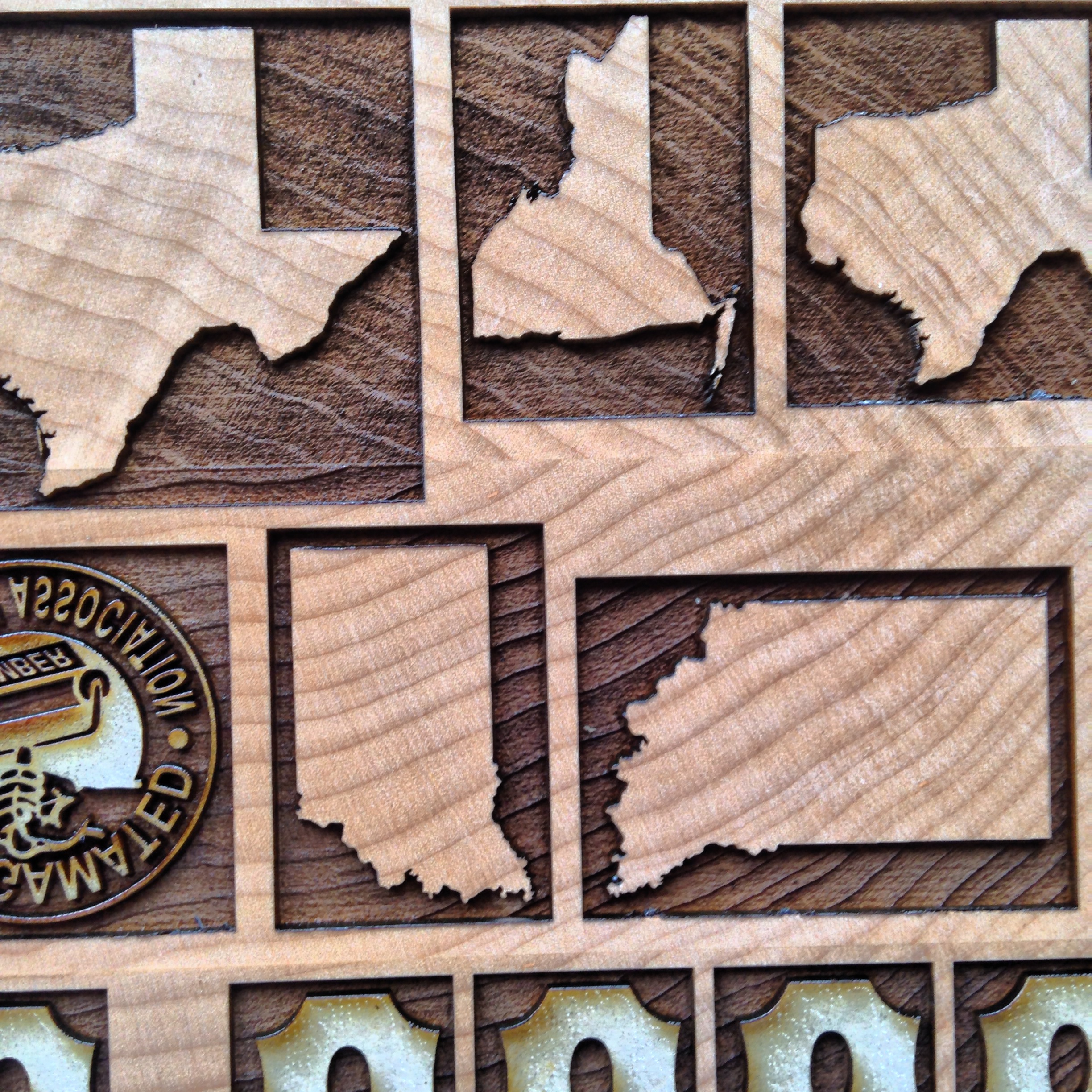
This year I have been experimenting with laser cutting historical designs in end grain hard maple. I have been lucky enough to already have the required vector art files for the laser since I have been creating all my patterns using Adobe Illustrator. 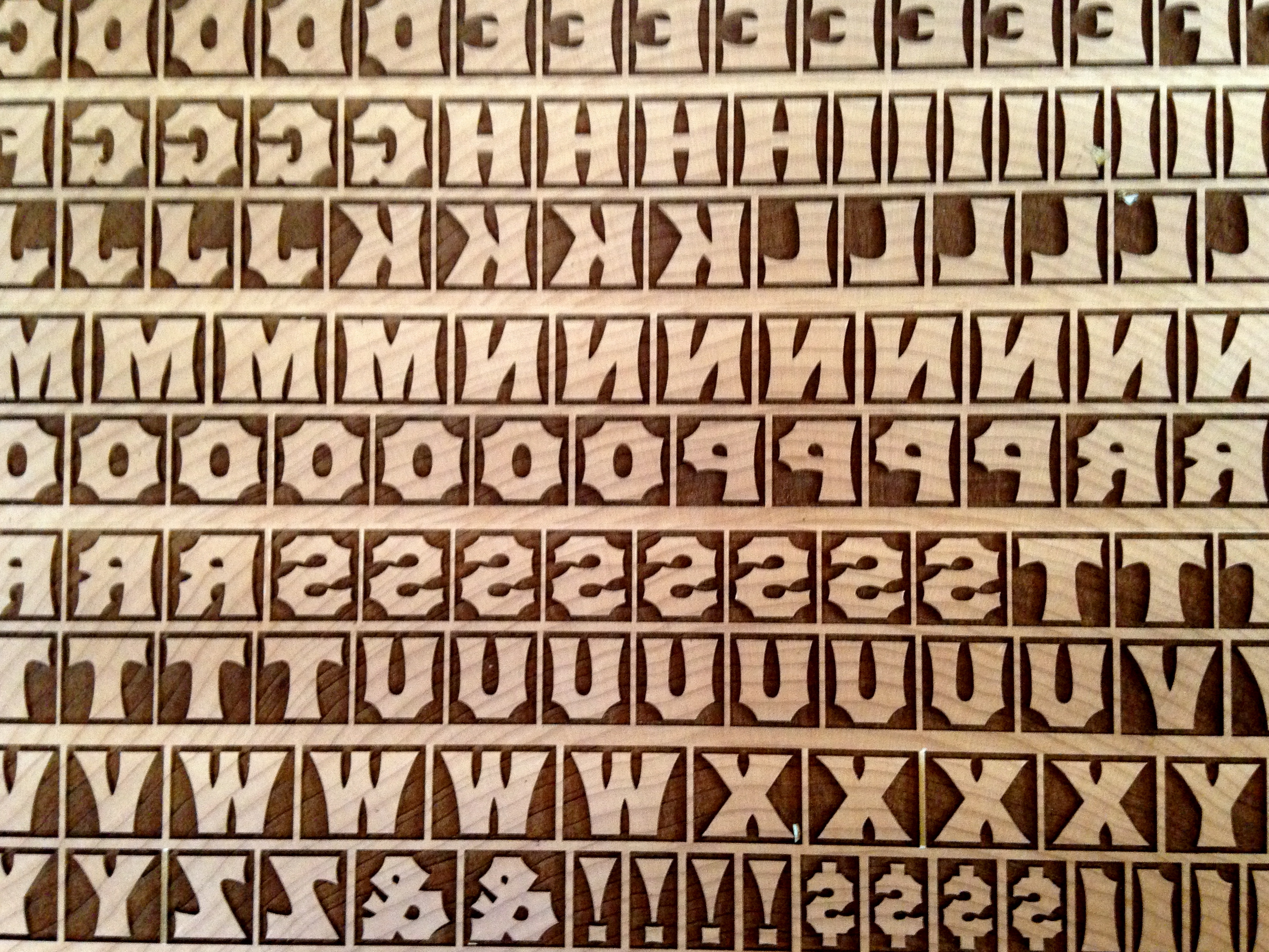 I just now can make things much smaller with no trimming. I am also trying my hand at a few small line wood type fonts. I will also be selling new catchwords, fancy star box sets, and state outline box sets. Laser cutting new wood type has been a learning experience just like everything else.
I hope to see some of my on-line customers at Hamilton. It’s nice to put a face with a printshop name. It’s also nice to spend five days with my printer daughter and all m y letterpress friends